
Iveragh Woodlands Project
The Iveragh Woodlands European Innovation Partnership (EIP) aims to enhance the ecological and socioeconomic resilience of upland farms in the west of Ireland through active conservation, restoration and sustainable management of native woodlands.
The Iveragh Woodlands team is working to find opportunities to restore woodlands in the uplands of South and East Kerry, by addressing a gap in policy in regard to their creation. The project is providing payments to participating farmers and landowners, with successful models being integrated into wider agri-environmental programmes.

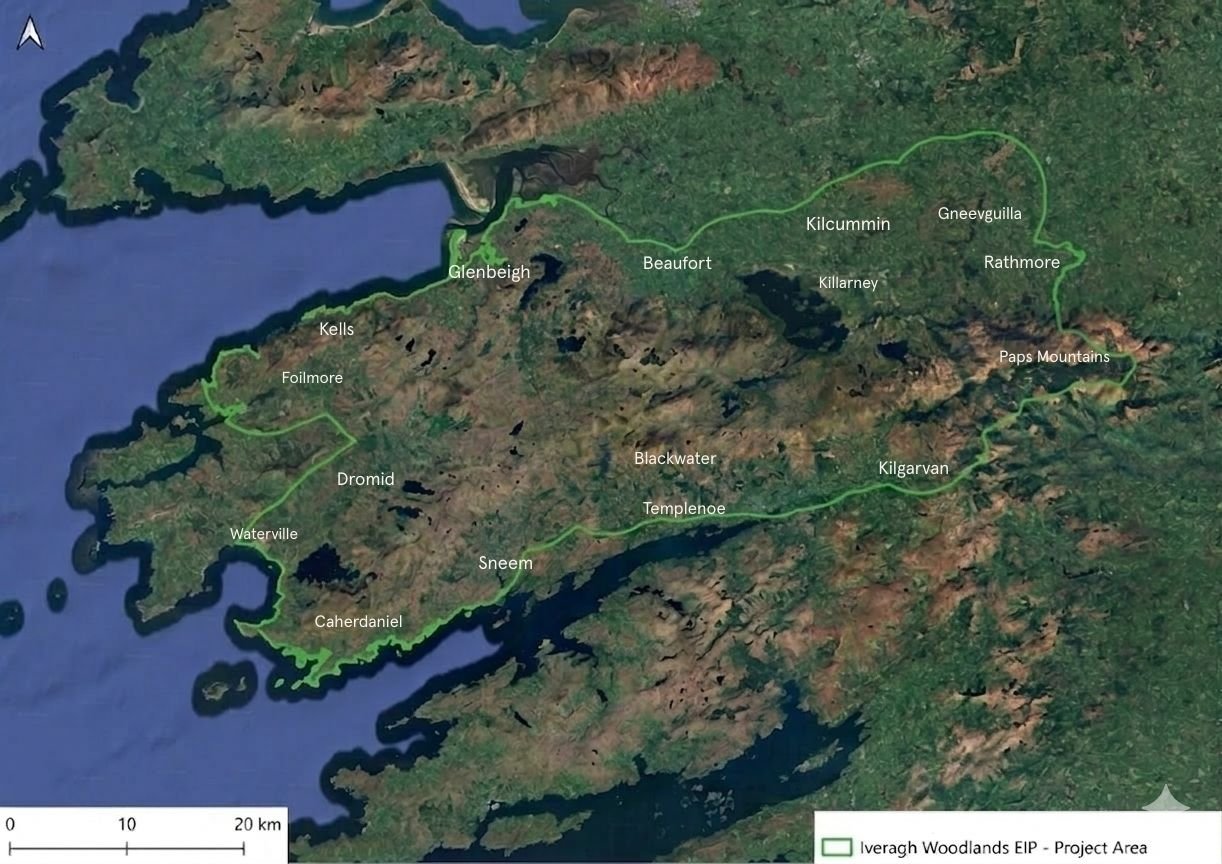
Project area: The green line shows the extent of our project area which extends from the Paps in East Kerry, right down along the Iveragh Peninsula.
Why Woodlands Matter
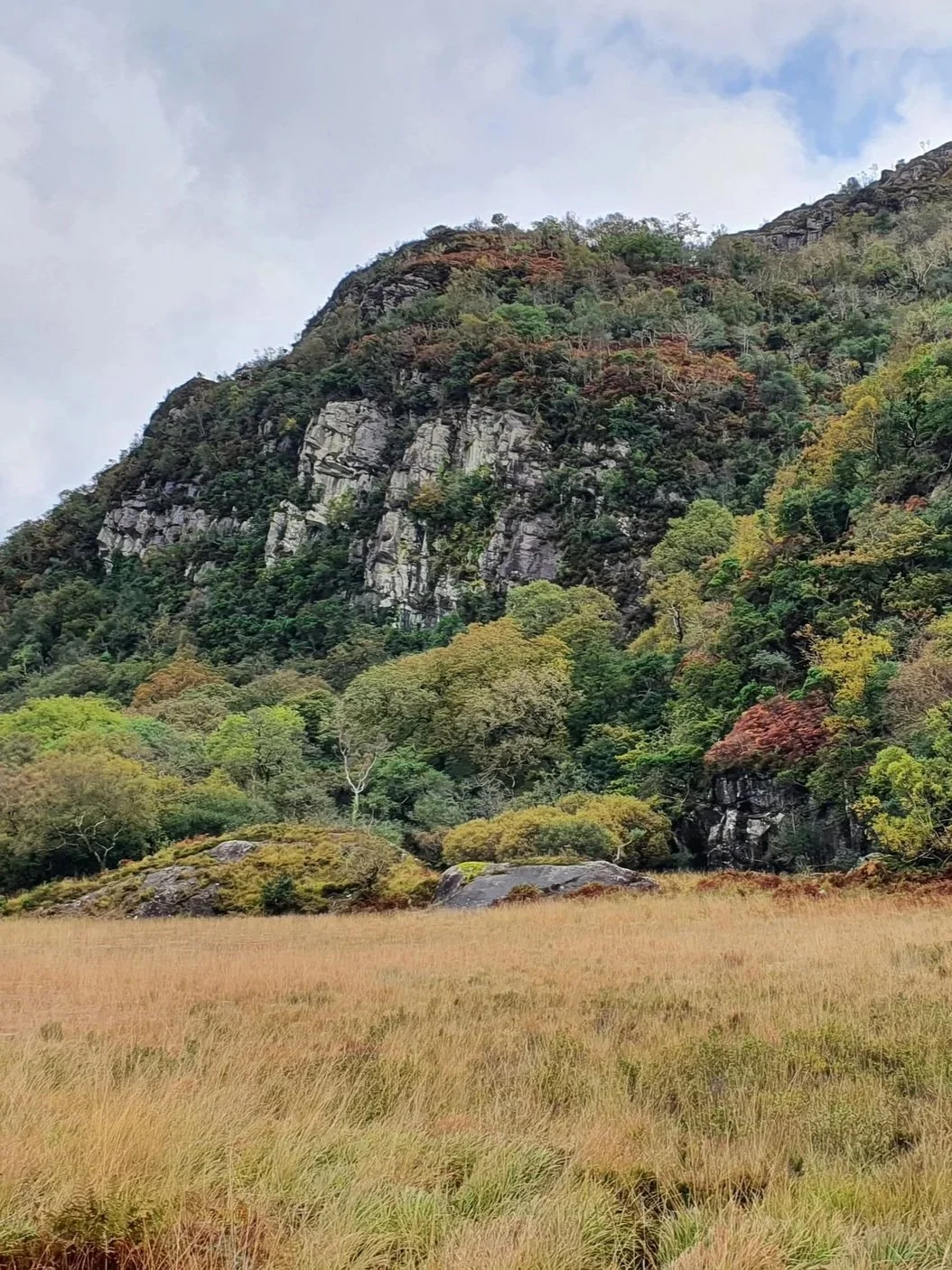
Native woodlands in the Iveragh uplands are rare remnants of Ireland’s ancient forests. They play a vital role in:
Protecting soil and water: stabilising slopes and reducing flood risk.
Sheltering livestock: improving animal welfare in exposed uplands.
Storing carbon: supporting Ireland’s climate goals.
Supporting biodiversity: home to birds, invertebrates, ferns, mosses, and lichens.
Preserving culture: trees have deep roots in the stories and traditions of Kerry’s people.
However, pressures from overgrazing, invasive species, and policy barriers have left many woodlands in decline. The Iveragh Woodlands project aims to reverse this trend by combining local knowledge with modern ecological practice.
Why Iveragh’s Woodlands are so unique
The Iveragh peninsula is situated within the temperate rainforest zone, providing optimal conditions for many oceanic and hyper-oceanic temperate rainforest species unique to western Europe. The peninsula also holds a large percentage of Ireland’s remaining Annex I oak woodlands. Overgrazed and highly fragmented, these woodland fragments provide a refugia for many rare woodland species and wild tree genetics.

Kerry Slug

Hairy Wood Ant
How the Project Works
There will be an open call for landowners to express interest. Each participating farmer co-develops a farm woodland plan with ecologists and advisors. Actions are practical, low-impact, and tailored to each farm.
Core Actions:
Protect & Restore existing native woodlands.
Encourage Natural Regeneration and colonisation in suitable areas.
Manage Grazing & Deer Pressure through collaborative plans.
Control Invasive Species such as rhododendron.
Enhance Biodiversity using local seed sources for enrichment planting.
Build Skills & Capacity through training and community workshops.
Restoration Strategies
The project will prioritise natural colonisation wherever possible. Where seed sources are available, nature will do the work. Where seed sources are absent or degraded, judicious planting will occur using local provenance stock grown in collaboration with nurseries across Iveragh.
The project will also experiment with returning rare or lost species such as aspen. Enrichment planting will focus on restoring full ecological function, not just tree cover.
Wild Herbivore Strategy
Over-abundant deer threaten woodland recovery. The project introduces a community-led, science-based deer management programme including:
Camera-trap surveys and population tracking
Training for licensed hunters
Check-in stations for data and sample collection
Safe, humane and coordinated culling practices
Farmer Participation and Payments
The project provides financial incentives and practical support to participating landowners. A results-based methodology will be developed or adapted to assess the health and trajectory of woodland recovery, including indicators such as regeneration, species composition, and invasive control.
Payment Type Description Rate / Amount
Initiation Payment Once-off joining payment to develop a farm plan. €166/ha (avg. €2,490 per farm)
Results-Based Payment Annual reward based on woodland health and regeneration. ~€250/ha per year
Action-Based Payment Additional payment for approved restoration actions. €200/ha
Capital Support Materials and labour for fencing, planting, signage. Allocated per plan
Payments are designed to stack with BISS, Organics, ACRES CP, NWS, NWCS, or Agroforestry, ensuring no loss of existing scheme income.
Community, Culture, and the Future
The Iveragh Woodlands EIP is about more than trees, it’s about people, place, and pride in the landscape.
Community Activities:
Guided walks, farm visits, and local events
Storytelling and ‘deep mapping’ of woodland heritage
Local seed collection and nursery development
Exploration of economic opportunities (wild game, wood fuel, eco-tourism)
Project Outcomes:
300 ha of upland woodland improved or restored
Increased farm income and resilience
Enhanced biodiversity and ecosystem services
News and Events:
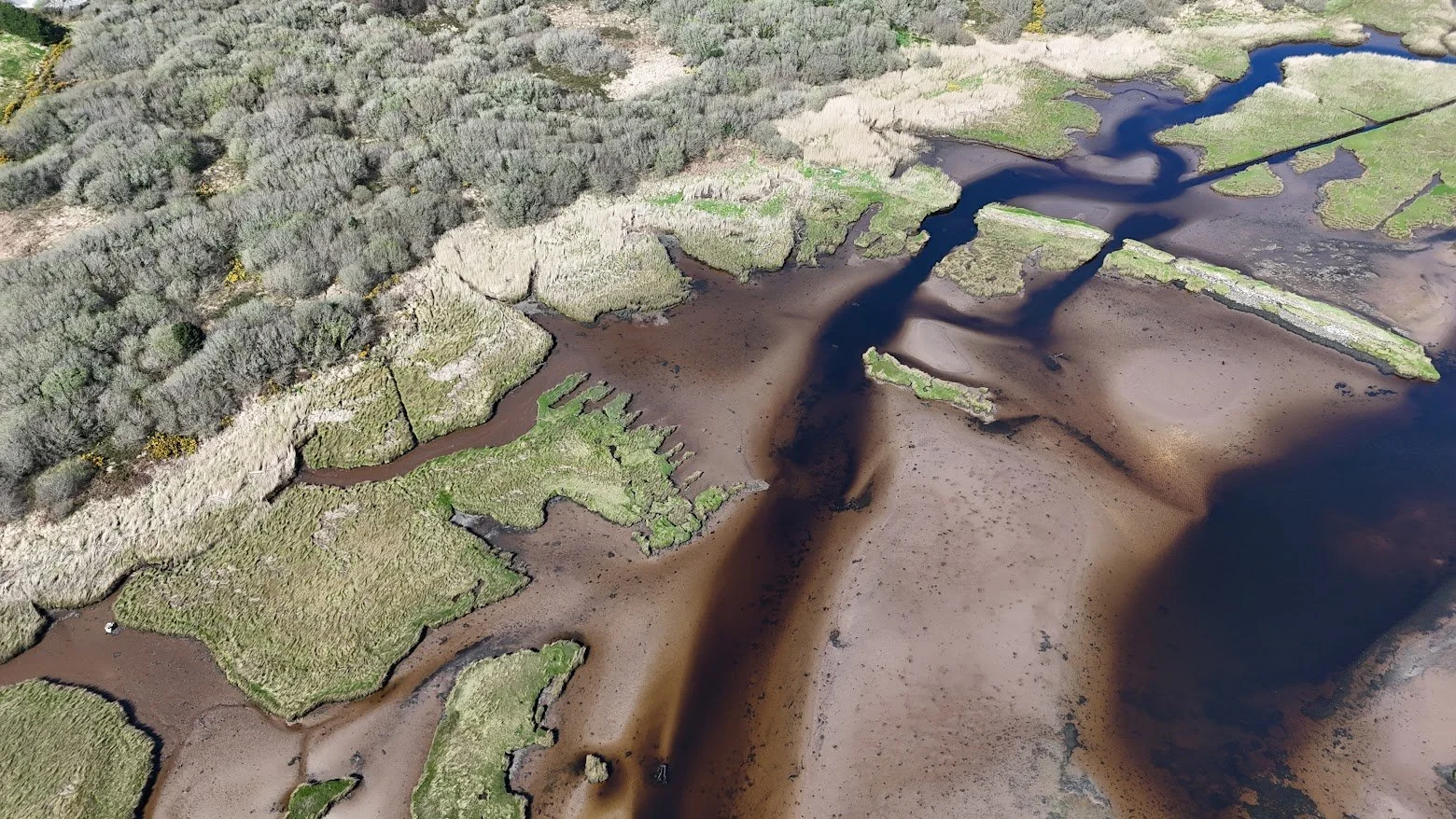
-
Read the latest updates from the project here.
-
Ray Ó Foghlú
Tell us a bit about your background.
I’m originally from rural Cork, about half an hour outside the city. I grew up beside a beautiful woodland called Curraghbinny Woods, and I had an amazing childhood outdoors, wandering for miles through woods, bogs, and swamps.
How did you become interested in woodlands?
That’s probably where my interest in trees, woodlands, and nature began. As a child, I felt I understood these places, but I didn’t have the language for them - the proper names or an understanding of how everything connected. When I went back to college to study them, it brought those two parts of my world together: that intuitive, lived knowledge of nature, and the technical understanding to support it.
What motivates you in your work?
In terms of what motivates my work, I’ve had the opportunity to restore parts of nature myself on my own land, and I’ve seen the joy it brought to me and my family. That’s something I believe can be shared with almost anyone. A really exciting part of Hometree’s work is being able to give people the knowledge or financial support they need to engage in these processes on their own land. That’s hugely motivating.
Anna Power
Tell us a bit about your background.
I grew up in a village in a rural part of county Kildare, and probably got my appreciation of nature from my parents who are keen amateur gardeners, birdwatchers and grow a serious array of fruit and vegetables! I studied law and business at undergraduate level, with a specialisation in environmental law.
How did you become interested in woodlands?
I've always had a grá for the outdoors and the natural world in general. As a kid, I probably just liked that forests were a place to play hide and seek and climb trees. As an adult, I've come to realise the peace and restoration that comes from spending time surrounded by greenery. In more recent times my interest in Ireland's native woodlands grew as I learned more about the near total disappearance of the rich temperate oceanic rainforest that once covered most of the country, and I began following the efforts of the many individuals and groups trying to restore this habitat.
What motivates you in your work?
I'm very motivated by people - both the expertise and drive of the people I'm fortunate to work with, and also the communities who are the stakeholders in Ireland's natural environment. Being able to work in an area that is delivering tangible, positive impacts for people and the planet is rewarding.
Luiza Pastorek
Tell us a bit about your background.
I grew up in Slovakia as the daughter of forestry workers, with the forest as her playground and teacher. This upbringing gave me a deep respect for nature and inspired my interests in herbalism, homeopathy, and crafts rooted in the natural world.
How did you become interested in woodlands?
Woodlands have been a part of my life since childhood, so they’ve always felt like a natural and comforting environment to me. Since moving to Ireland, I’ve found myself really missing ancient woodlands, which has also sparked a growing curiosity about the Irish landscape.
What motivates you in your work?
It’s genuinely inspiring to be part of such a driven team. I feel a strong connection to the idea of creating something meaningful for future generations. Seeing our projects progress and having the chance to engage with communities across Ireland, especially through Hometree’s work, is really rewarding and keeps me motivated every day.
Patrick Gleeson
Tell us a bit about your background:
I grew up in Monaghan with a deep appreciation for its drumlin landscape, with its many lakes and wet woodlands. I was obsessed with the natural world from an early age and I went on to study Wildlife Biology at MTU Kerry. In many ways, the contrast between Monaghan and Kerry opened my eyes to the diversity of landscapes and habitat types in Ireland; exploring both was a great way to experience this diversity.
How did you become interested in woodlands?
I like the wildness metric; the ability of a patch of land to undergo natural succession and function on its own is a powerful thing to witness. In Ireland, when we let land do this, the end result in most scenarios is woodland. Woodlands fascinate me due to their complexity and structural diversity.
What motivates you in your work.
We have lost a lot of nature in Ireland. Over thousands of years, we have gradually chipped away at the wildwood that once covered most of the country. I'm interested in documenting and stitching back what is left of it.
Rob Fell
Tell us a bit about your background.
I grew up in Kerry and have always loved the outdoors, exploring the areas around me. My main interests since I was a teenager are hiking and traditional Irish music. Both of these hobbies have given me an appreciation for that which is uniquely our own here in Ireland, and also how different parts of the country have their own way of approaching things, be that in terms of music or life in the uplands.
How did you become interested in woodlands?
I was lucky to have an old oak woodland near home whilst growing up and while I wasn’t able to identify every species back then, it gave a good grounding in how Ireland’s woodlands should look. I worked as a teacher for a number of years and it always struck me that children light up at the mention of trees and woodlands. Being able to teach them the basics of what you might find in our woodlands was a highlight.
What motivates you in your work?
We have a great team working on this project, and there is always enthusiasm to be felt when talking to others about our work so that helps. The type of habitat that we are working to restore is hugely important so to be able to make any difference in its conservation is huge motivation in itself. On top of that, the people I meet whilst on site visits are brilliant. I don’t think there has been a day on the road yet where I haven’t had a memorable conversation or heard some nugget of local knowledge.
-
As we near the end of the year, our Iveragh Woodlands team look back on the first couple of months of this 4 year project. It has been a busy time with the project getting off the ground and many strands being pulled at once. It has been heartening to see the project launched with the Expression of Interest Form for farmers and landowners going live with a local press release.
Over the past couple of months the team have laid the foundations for an ambitious and exciting project. One of the tasks undertaken was the collection of local provenance, Kerry seed from native trees. The seed collection mainly took place at Hometree’s Oulagh site and in Killarney National Park. Many thanks to NPWS for their guidance with this. The team, along with nursery staff down from Ennistymon collected birch, oak, yew, spindle, hawthorn, hazel, crab-apple, alder, arbutus and Scots pine. This seed will be grown in our Ennistymon nursery with a view to planting the trees in some of the sites on the Iveragh Peninsula where deemed appropriate in the coming years. A good variety of species were collected, bearing in mind the wide project area and the possibility of certain sites being suited to some species and not others.
Another important step in this project was the convening of our first Operational Group meeting in Killarney. This group is made up of representatives from our partners in this project as well as farming representatives from the project area. The meeting was a great opportunity for everyone to gain a better insight into the project and how it will look on the ground. Important connections were made, and will be drawn upon again as the project progresses.
As of early December, a press release about the project was issued to local media and the Expression of Interest form went live. The press release will raise public awareness of the Iveragh Woodlands project and we hope to see prospective participants filling out the EOI over the next few weeks. It is our hope that we will begin the selection process early in 2026 based on the responses to the EOI.
Core Team
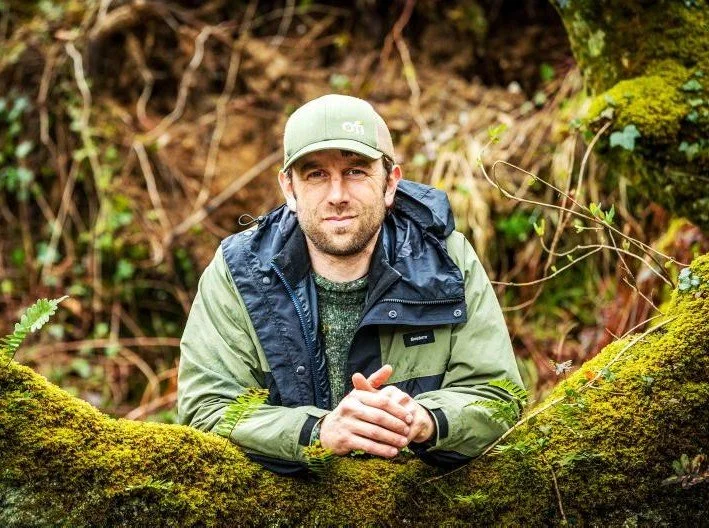
Ray Ó Foghlú
Project Lead

Anna Power
Project Manager, Financial & Legal oversight
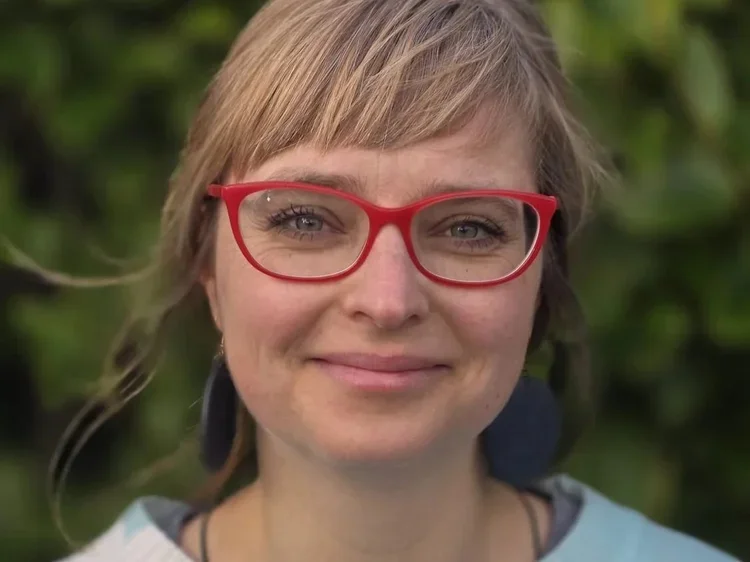
Luiza Pastorek, Administrator & Financial Reporting
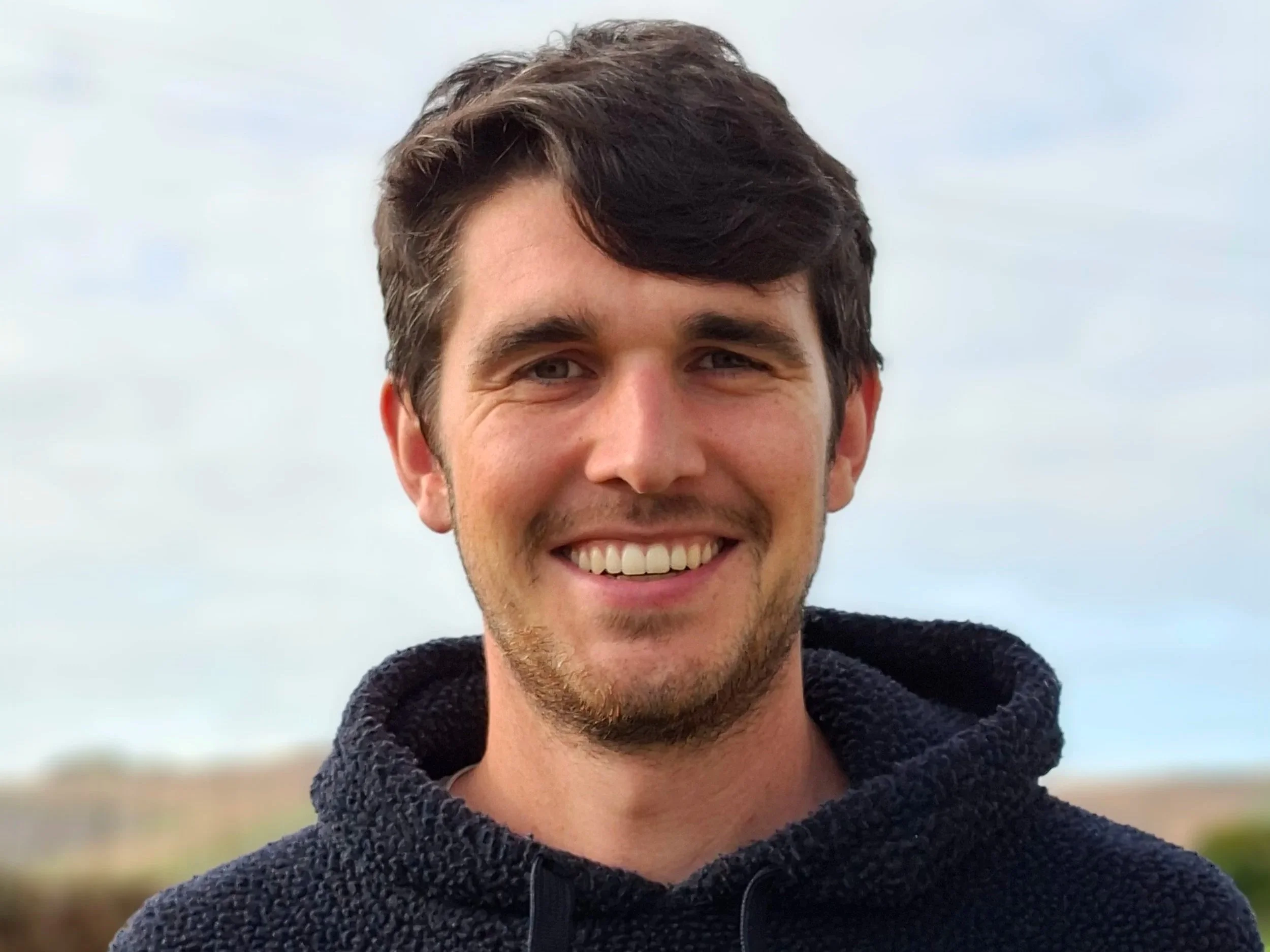
Rob Fell
Local Project Coordinator & Community Engagement
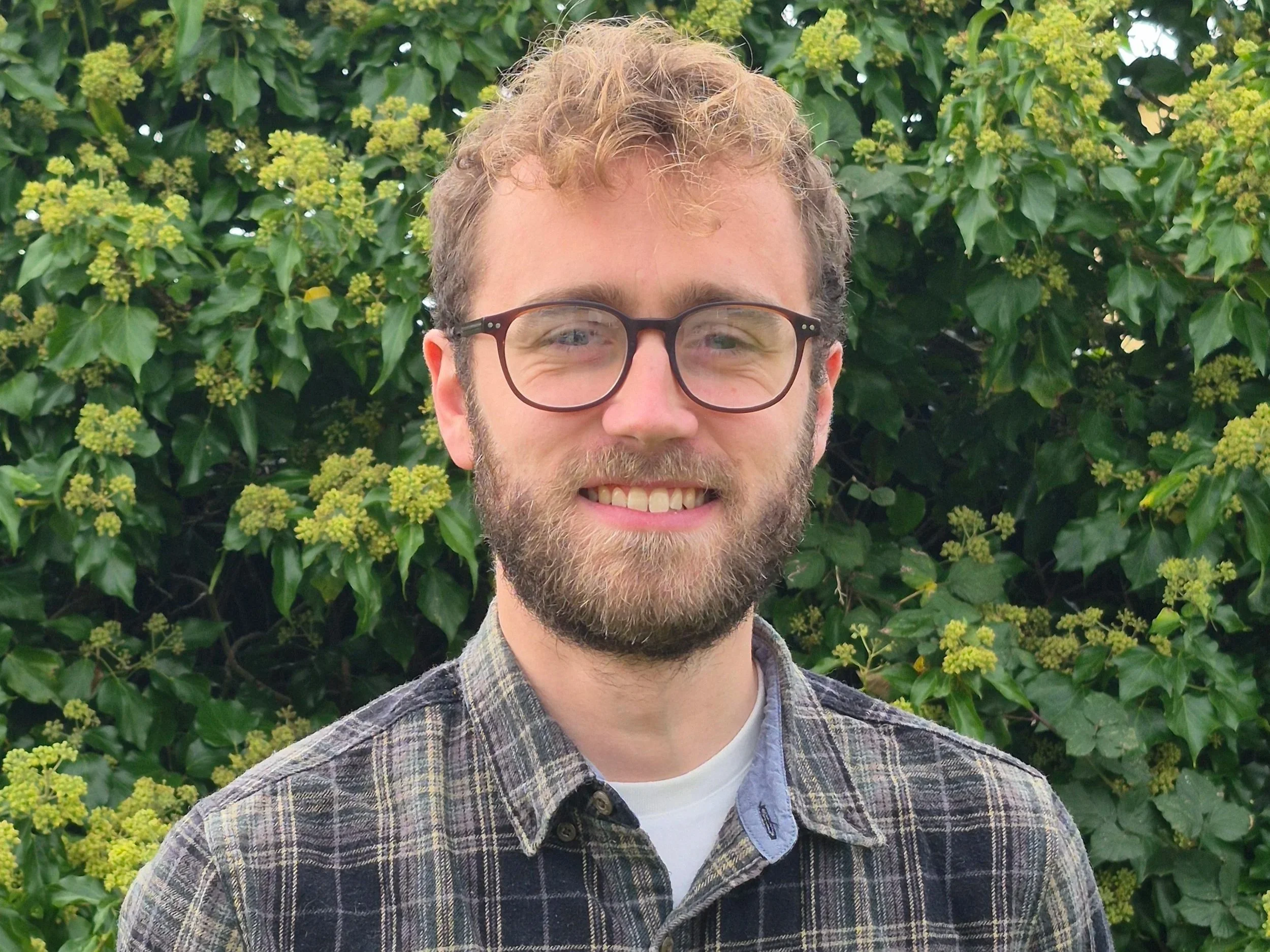
Patrick Gleeson
Project Ecologist

Operational Group
Adam Smith, University College Dublin / Expert Wildlife
Anna Power, Hometree
Caitlín Breathnach, Údarás na Gaeltachta
Daniel Buckley, National Parks and Wildlife Service (NPWS)
Fionán Crowley, Fionán Crowley Agri Environmental Agency
John Casey, Teagasc
John Lynch, Farmer
Kilian Murphy, University College Dublin / Murphy Ecology Solutions
Marina Conway, Hometree
Patrick Gleeson, Hometree
Ray Ó Foghlú, Hometree
Rob Fell, Hometree
Therese Higgins, Munster Technological University (MTU)
The Iveragh Woodlands project is co-funded by the European Union and the Department of Agriculture, Food and Marine.
Data Protection
View the project Privacy Notice.